Perspective: The Role of the Regulatory Scientist in Product Development
Henrietta Ukwu, MD, FACP
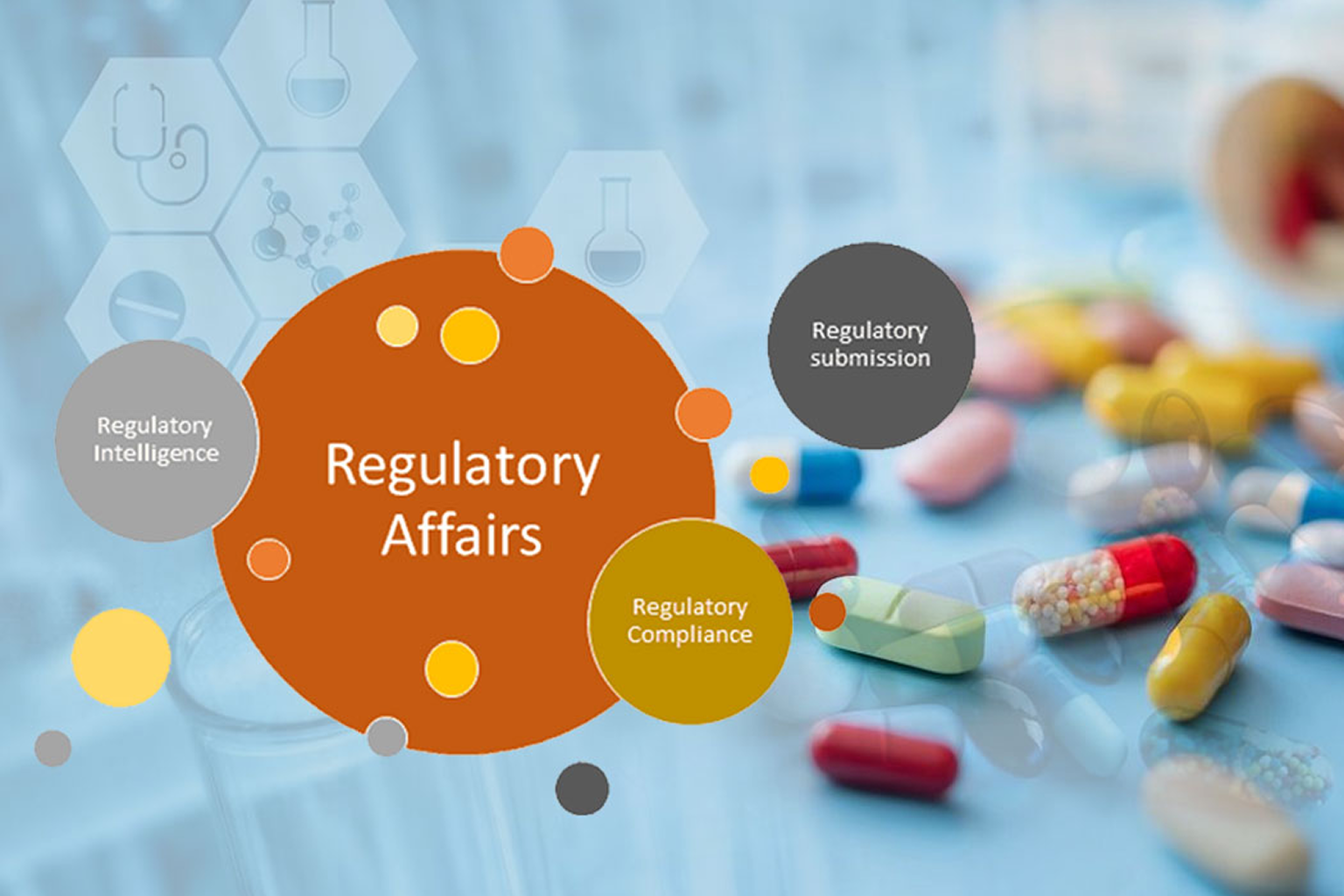
The regulatory affairs profession is evolving and gaining increasing importance in the
regulated pharmaceutical industry. It is also enjoying an increasing level of
recognition at universities, some of which are offering fully-accredited university
degrees in regulatory affairs.
The regulatory affairs department is composed of various personnel, including the
regulatory scientist. This person is primarily responsible for developing regulatory
strategies for product development and worldwide registration, establishing and
maintaining communication between regulatory agencies and the company and
having a working knowledge of global regulations affecting that industry.
The regulatory scientist's role may therefore be viewed from three main
perspectives.
The Regulatory Scientist as Liaison
First, as liaison, the regulatory scientist ensures effective and accurate scientific
communication between the product development technical units and scientists at
the regulatory agencies. This requires timely written and verbal communication
through letters, document submission, telephone conferences, meetings, and
advising product development teams on agency expectations and requirements,
while also providing information to the regulatory agency on progress and proposed
changes in the product development plan.
Since the regulatory scientist is the primary communication channel or liaison with
the regulatory agencies to discuss product development issues and strategies, the
scientist must be well equipped with the relevant technical background, regulatory
knowledge, and effective communication and negotiating skills.
The Regulatory Scientist as Strategist
Second,
registration the
strategist.
regulatory scientist is viewed as the product development and
Along with other technical members of the product
development
strategy to guide
team, the regulatory scientist develops the regulatory approach or
The regulatory
product development and registration in the countries of interest.
scientist reviews all documents in detail to ensure clarity of data
presentation,
regulatory
accuracy of data interpretation, logic, consistency and compliance with
requirements prior to endorsement for submission to the agency. In
effect, what the regulatory scientist releases is what gets submitted.
The skills required include comprehension of the technical information to proactively
assess data strengths and weaknesses. Also required are: creativity in developing
approaches to address weaknesses and rationalize innovative approaches or
deviations from established standards; analytical thinking to ensure logic in the flow
of data presentation and inferences drawn; and appraisal for scientific rigor and
validation of all information provided.
The Regulatory Scientist as Provider of Guidance
Third, the regulatory scientist provides guidance to all functional units involved in
the
process of product development, manufacture and assembly of data to ensure that
regulatory requirements are met and commitments to regulatory agencies are
fulfilled.
The product development process involves a cycle which includes discovery,
preclinical (animal safety) and clinical development (human trials). The clinical
development phase deserves specific mention as the highly complex, resource
intensive, extended duration human trials that establish the safety and efficacy of
the product and the label claims on how to use the product. During the clinical
development phase, there is opportunity to be creative about which clinical design
and statistical approaches to use.
Regulatory scientists must have appropriate scientific and medical knowledge to
understand these clinical methodologies adequately so they can provide guidance on
strategies to optimize the outcomes of the studies and label claims. In addition, they
must manage risk assessment, and at the same time ensure compliance with
regulatory standards (in addition to the clinical research and statistical functional
units). This enables the regulatory scientist to comprehend and augment the clinical
development plan and effectively communicate with the medical reviewers at the
regulatory agencies through the development of the product. Thus, a technical
background that includes advanced degrees in relevant scientific fields can contribute
greatly to making the individual in this role more effective.
In conclusion, regulatory scientists are most successful when they can integrate
advanced technical knowledge of all aspects of drug development, sound
communication, negotiation skills and an effective teamwork approach.
Henrietta Ukwu, MD, FACP, is vice president, global regulatory policy and until
recently, was head of worldwide regulatory affairs vaccines and biologics with Merck
& Co., Inc. She is an internist and infectious diseases specialist by training.